
No products in the cart.
What Makes the Havospark Jet Boat a Popular Choice for Water Sports?
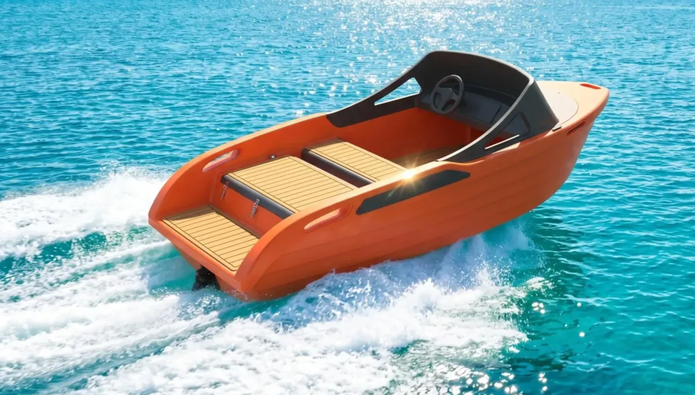
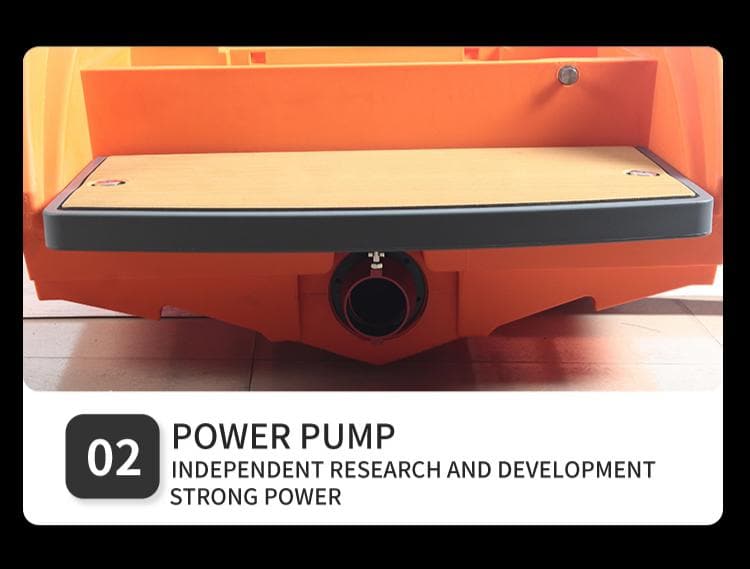
The Havospark jet boat appeals to water sports businesses seeking compact electric watercraft with practical performance and durable construction. For rental operators, resorts, and recreational equipment distributors, the right boat should balance propulsion, battery runtime, passenger capacity, and maintenance needs. The PE02 HDPE Electric Mini Boat combines a reinforced polyethylene hull with a 12-kilowatt electric drive system. Additionally, its lithium battery and convenient AC charging support flexible operation across suitable recreational environments.
Although buyers often focus on speed, overall value also depends on construction quality, operating costs, and supplier support. Therefore, understanding the PE02’s specifications helps B2B purchasers assess its fit for their customers.
Why Does Hull Construction Matter for Recreational Water Sports?
HDPE material supports practical durability
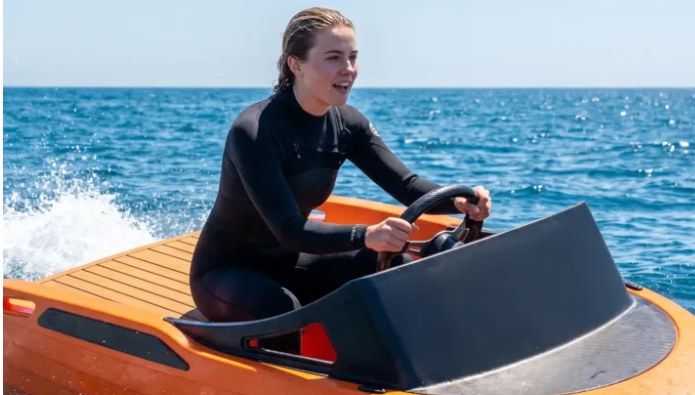
Watercraft used in recreational settings encounter repeated handling, launching, docking, and routine transport. Consequently, hull material plays an important role in long-term ownership costs. The PE02 uses industrial-grade high-density polyethylene, commonly known as HDPE, with a reinforced hull structure.
This construction supports impact resistance and everyday durability. However, operators should still follow appropriate docking, storage, and maintenance procedures. Actual service life depends on usage frequency, water conditions, and handling practices.
For rental fleets and leisure venues, durable construction can help reduce avoidable maintenance interruptions. Moreover, a straightforward maintenance plan helps staff inspect the hull and supporting components consistently.
Explore our Electric Mini Boat Product Range to review suitable options for recreational water activities.
Can the Electric Drive System Meet Different Operating Needs?
Evaluate power, speed, and water conditions
The PE02 features a 12-kilowatt electric power system. Its stated maximum speed reaches 40 kilometers per hour, with a cruising speed of approximately 30 to 40 kilometers per hour. These figures provide a starting point for evaluating its performance profile.
However, actual speed depends on passenger load, water conditions, battery charge, and operating settings. Therefore, operators should establish appropriate speed limits for each activity and location.
Electric propulsion also offers a different operating experience from conventional fuel-powered boating. Businesses can evaluate charging access, energy costs, and maintenance arrangements alongside performance. This approach helps buyers estimate ownership costs instead of relying on speed figures alone.
Before purchasing, confirm the manufacturer’s recommended operating conditions and local watercraft requirements. In addition, provide riders with suitable safety equipment and clear operating instructions.
How Does Battery Capacity Affect Runtime and Fleet Planning?
Match energy capacity with daily schedules
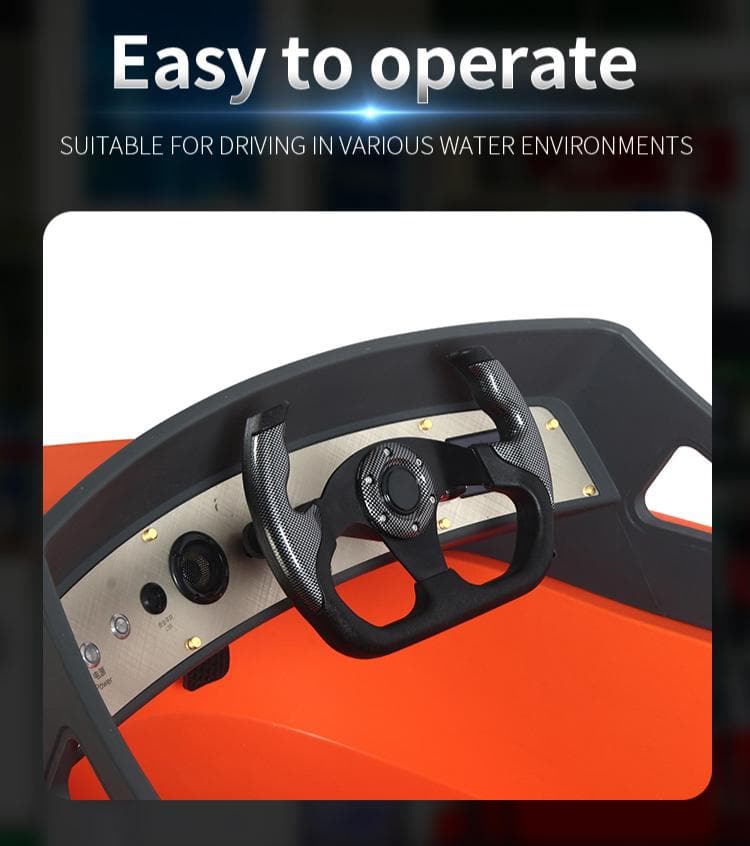
The PE02 includes a lithium battery rated at 5.8 kilowatt-hours. The stated operating time ranges from 25 to 60 minutes per charge. This range gives fleet operators a useful planning reference, although actual runtime varies with riding style and load.
The boat supports AC charging from 100 to 260 volts. A full charge takes approximately four to five hours according to the supplied specifications. Consequently, businesses should schedule charging around customer bookings and daily operating hours.
For example, a rental venue may need several boats or staggered booking slots during busy periods. Therefore, buyers should evaluate the relationship between runtime, charging time, fleet size, and available power outlets.
The product also uses a natural water-cooling system to support operating stability. Buyers should request detailed maintenance guidance and battery care instructions before deployment.
For additional planning support, consult our Electric Watercraft Technical Guide.
What Passenger and Load Requirements Should Buyers Consider?
Review capacity before selecting a boat
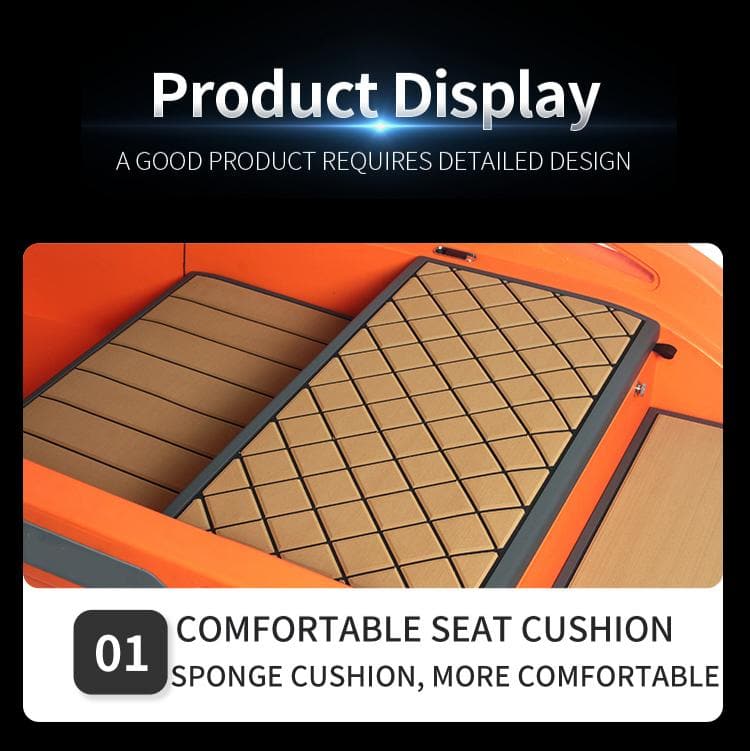
The PE02 supports a maximum load of 150 kilograms. Its product weight, including the battery, is 112 kilograms. These figures help operators assess handling, transport, and intended usage.
However, the maximum load does not independently confirm passenger capacity. Operators should verify the manufacturer’s passenger recommendations and include rider equipment when assessing total weight.
A suitable load assessment also considers boarding procedures, rider experience, and the intended water environment. In addition, staff should explain weight limits clearly before each session.
For resorts, water sports centers, and recreational rental businesses, this preparation supports more consistent customer experiences. It also helps purchasing teams match each boat with an appropriate service model.
Which PE02 Specifications Matter Most to Wholesale Buyers?
Compare documented features and commercial requirements
B2B buyers should assess product performance alongside packaging, logistics, warranty terms, and technical support. Furthermore, documented specifications help distributors prepare accurate listings and customer guidance.
| Specification | PE02 details | B2B purchasing consideration |
|---|---|---|
| Hull material | Reinforced HDPE | Assess durability and maintenance requirements |
| Electric power | 12 kilowatts | Match power output with intended activities |
| Battery capacity | 5.8 kilowatt-hours | Plan runtime and charging schedules |
| Cruising speed | 30–40 kilometers per hour | Confirm conditions affecting actual speed |
| Maximum speed | Up to 40 kilometers per hour | Establish suitable operating limits |
| Operating time | 25–60 minutes | Plan bookings around usage conditions |
| Charging input | AC, 100–260 volts | Check compatibility with local power supplies |
| Charging time | 4–5 hours | Coordinate charging and fleet availability |
| Maximum load | 150 kilograms | Verify passenger and load guidance |
| Boat weight with battery | 112 kilograms | Plan handling and transportation |
| Package dimensions | 2,130 × 1,050 × 950 millimeters | Confirm shipping and storage requirements |
| Wooden crate weight | 166 kilograms | Include packaging in freight calculations |
| Certifications | Not specified in supplied details | Request applicable documents from the supplier |
The PE02 combines an electric drive, practical battery capacity, and a durable hull in one compact watercraft. Nevertheless, buyers should confirm applicable certifications, warranty coverage, spare-part availability, and after-sales support before placing bulk orders.
Conclusion: Is the Havospark Jet Boat Worth Considering?
The Havospark jet boat offers several features relevant to commercial recreational use. The PE02 combines a 12-kilowatt drive, a 5.8-kilowatt-hour lithium battery, reinforced HDPE construction, and a maximum load of 150 kilograms.
Together, these specifications give distributors and water sports operators a practical basis for evaluating performance and operating costs. However, the best purchasing decision also depends on local regulations, charging infrastructure, customer requirements, and maintenance planning.
For B2B buyers, the PE02 provides a potential balance of durable construction and electric performance. Request a quotation, technical documentation, and wholesale order details to assess its suitability for your market.

About author

Related posts
Choosing a safe electric surfboard for beginners requires careful attention to stability, propulsion, battery design, and rider control. An electric hydrofoil surfboard combines powered movement...

For buyers researching mini jet boats havospark, the CA-5 offers a gasoline-powered personal watercraft. It combines a Suzuki four-stroke engine, two-person seating, and integrated safety...

For buyers evaluating wave power surfboards, the HS-JF04 combines lightweight construction with stable recreational handling. This electric surfboard targets leisure riders who want responsive speed...
Choosing the right mini electric jet boat means balancing performance, handling, and riding enjoyment. The Havospark HS-V1 combines a 16-kilowatt electric motor with a 6.2-kilowatt-hour...
A jet-powered electric surfboard enables powered riding without relying on wind. Therefore, it suits riders seeking a motorized surfboard for recreational water sports. The HS-H5SE...
Add comment