
No products in the cart.
How Do You Choose the Right Mini Electric Jet Boat for Recreation?
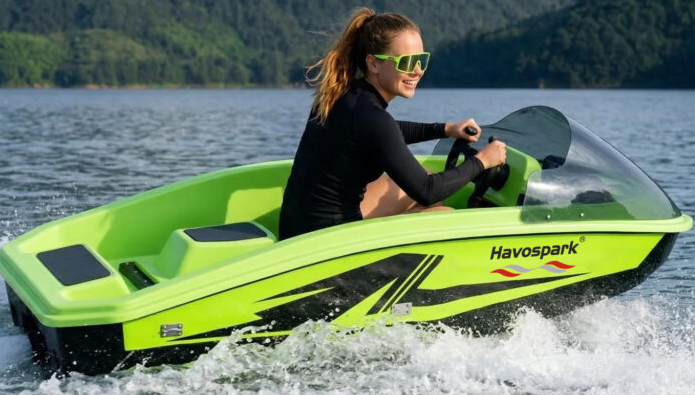
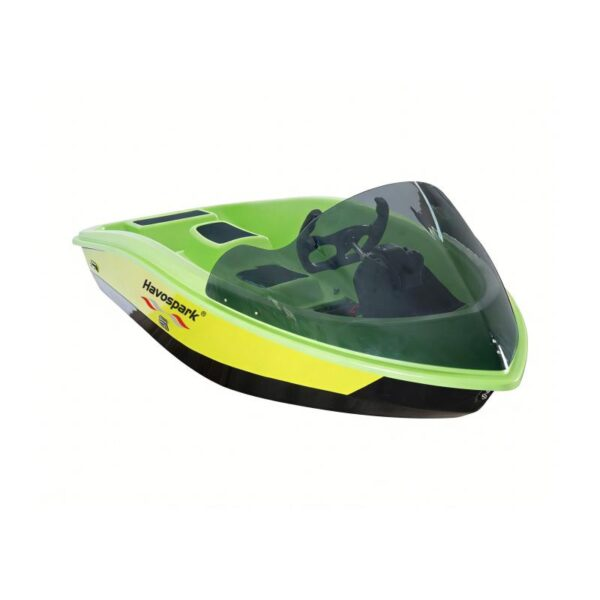
Choosing the right mini electric jet boat means balancing performance, handling, and riding enjoyment. The Havospark HS-V1 combines a 16-kilowatt electric motor with a 6.2-kilowatt-hour battery. Moreover, its durable ASA hull supports outdoor recreational use. With a maximum speed of 50 kilometers per hour, it offers an exciting powered-water experience. Its practical dimensions and electric propulsion also make it an appealing option for recreational riders. For beginners, gradual practice and proper instruction help build confidence.
What Makes the HS-V1 Suitable for Recreational Riding?
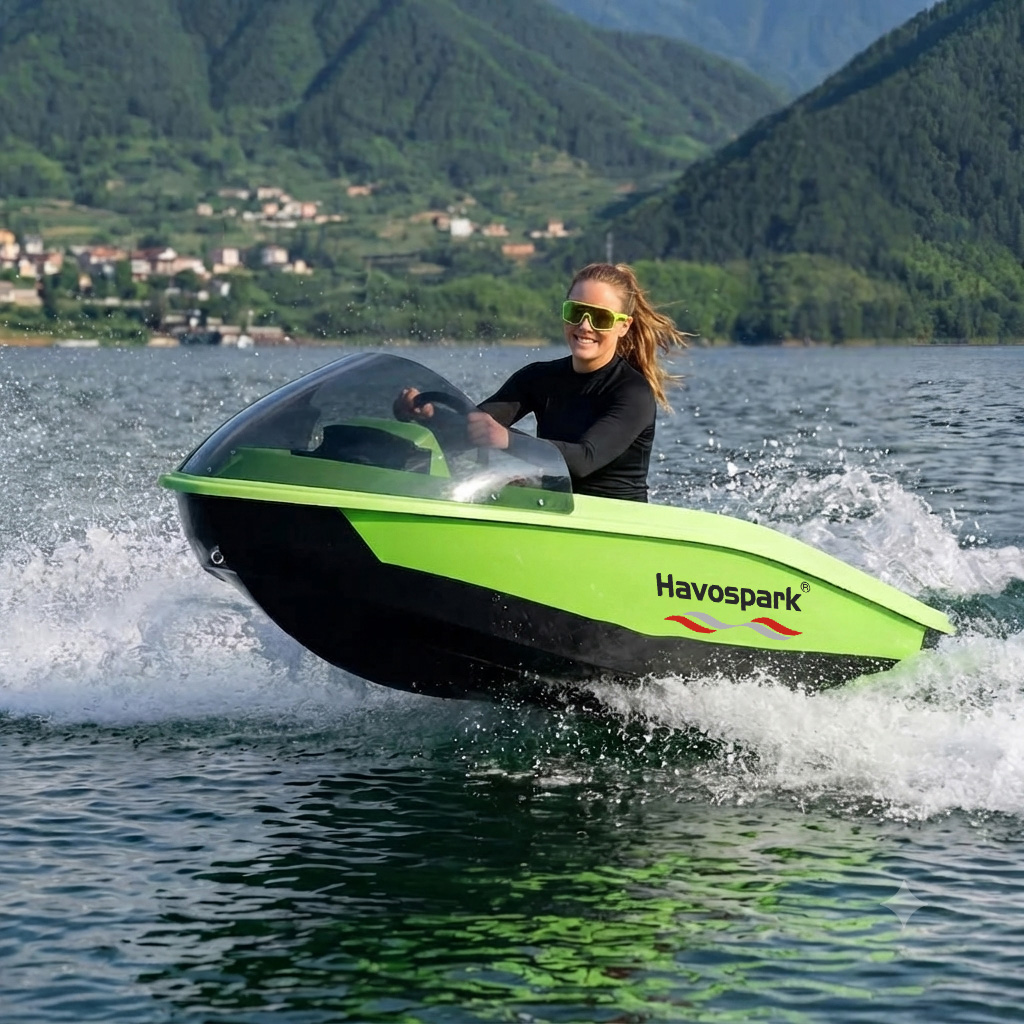
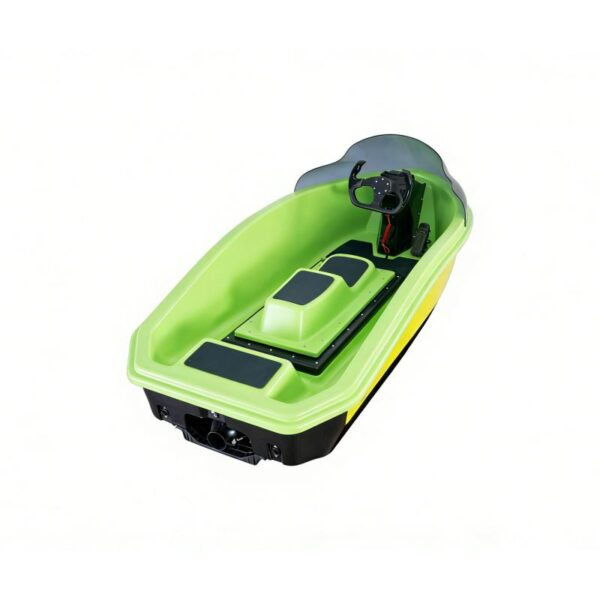
First, consider the riding experience you want. The HS-V1 delivers 16 kilowatts of propulsion power for energetic water activities. Meanwhile, its streamlined hull supports practical handling during recreational use.
Its maximum specified speed reaches 50 kilometers per hour. Therefore, experienced riders can enjoy responsive powered riding in suitable conditions. New riders can focus on learning steering, balance, and speed control through supervised practice.
How Does Its Electric Propulsion Support Performance?
The 16-kilowatt motor provides substantial power for recreational applications. Additionally, the electric propulsion system offers an alternative to conventional fuel-powered boating. Buyers can assess its operating requirements according to their preferred waterways and riding frequency.
For beginners, a structured learning process matters more than maximum speed. Start with qualified instruction and appropriate safety equipment. Then, build riding skills gradually as confidence improves.
Can the Battery Support Longer Recreational Sessions?
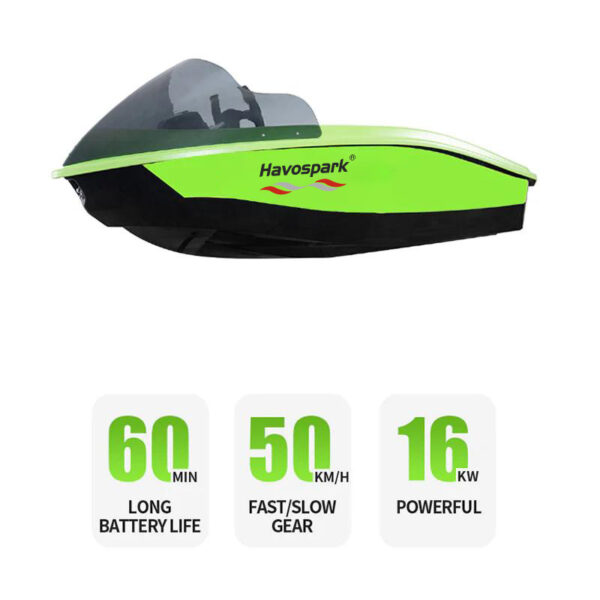
Battery capacity directly influences trip planning and charging frequency. Fortunately, the HS-V1 features a 6.2-kilowatt-hour lithium battery. Its 72-volt electrical system supports the boat’s electric propulsion configuration.
Standard charging takes approximately 4.5 hours. Additionally, an optional fast-charging configuration specifies 40–60 minutes. This flexibility helps recreational operators plan charging around their schedules.
How Does Charging Flexibility Improve Convenience?
For private owners, charging arrangements affect how easily they prepare for each outing. Similarly, rental operators may value efficient turnaround between sessions. Therefore, the optional charging configuration deserves attention when planning repeated use.
Actual charging time depends on the compatible equipment and charging conditions. Buyers should confirm the selected configuration with Havospark. They can also discuss battery care and warranty coverage before ordering.
Explore Havospark’s Electric Jet Boat Range
Why Does ASA Hull Construction Matter?
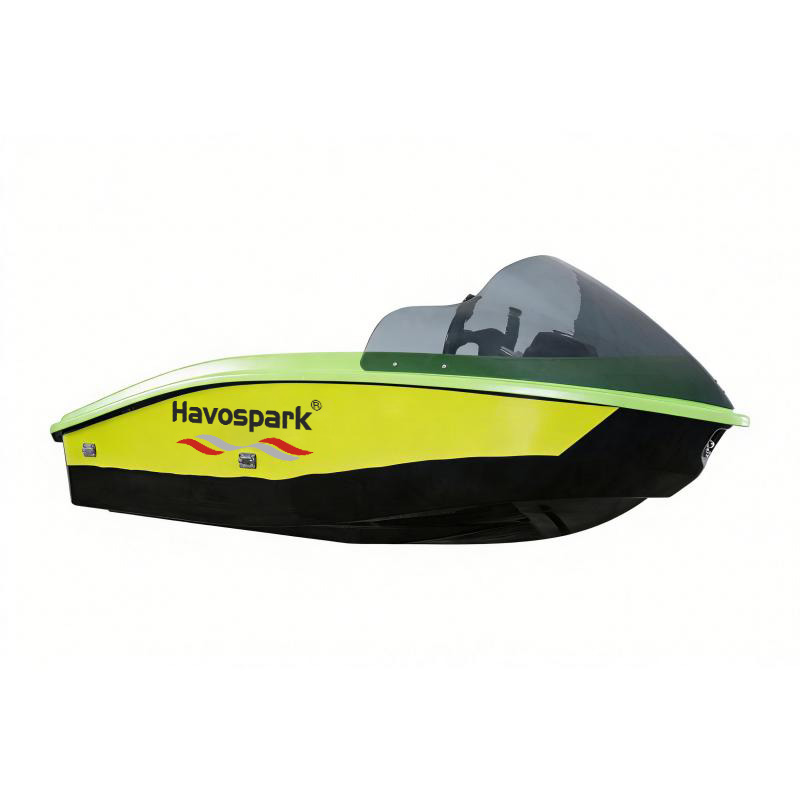
Material selection affects outdoor durability and ongoing maintenance. The HS-V1 uses ASA engineering plastic for its hull. This material offers UV resistance and mechanical strength for regular recreational applications.
Additionally, its streamlined design supports practical storage and transport planning. The hull measures 2,200 millimeters × 980 millimeters × 1,000 millimeters. These dimensions help buyers assess storage space and transport arrangements.
Is the HS-V1 Practical to Transport?
The hull weighs 67.5 kilograms, while the battery weighs 34.5 kilograms. Together, these components total 102 kilograms before additional equipment. Therefore, buyers can plan suitable handling arrangements before transport.
The maximum supported load reaches 150 kilograms. This capacity accommodates a range of adult riders. Confirm the manufacturer’s loading guidelines when accounting for the rider and carried equipment.
Which Specifications Help Buyers Choose Confidently?
A well-matched boat should suit the rider, storage arrangements, and planned activities. The following specifications highlight the HS-V1’s key practical advantages.
| Parameter | HS-V1 Specification | Main Benefit |
|---|---|---|
| Motor power | 16 kilowatts | Strong electric propulsion |
| Maximum speed | 50 kilometers per hour | Exciting recreational performance |
| Battery capacity | 6.2 kilowatt-hours | Supports extended riding plans |
| System voltage | 72 volts | Defined electrical configuration |
| Standard charging time | Approximately 4.5 hours | Convenient advance charging |
| Optional fast charging | 40–60 minutes | Flexible charging arrangements |
| Hull material | ASA engineering plastic | UV resistance and mechanical strength |
| Hull weight | 67.5 kilograms | Supports transport planning |
| Battery weight | 34.5 kilograms | Clear handling requirements |
| Maximum load | 150 kilograms | Accommodates different adult riders |
| Hull dimensions | 2,200 × 980 × 1,000 millimeters | Helps with storage planning |
What Should First-Time Buyers Prepare?
Before purchase, discuss steering, emergency shutdown, and available speed-control functions with Havospark. Also, confirm warranty terms, spare-parts availability, and after-sales support.
For beginners, supervised practice and suitable personal flotation equipment are essential considerations. Furthermore, check local regulations before operating the boat. These preparations help riders enjoy the HS-V1 with greater confidence.
How Can the HS-V1 Fit Different Recreational Applications?
The HS-V1 suits recreational buyers seeking electric propulsion and substantial performance. For private owners, its battery capacity supports planned outings. Meanwhile, its ASA hull offers practical durability for outdoor use.
Rental businesses may also consider the model for suitable recreational facilities. Its defined load capacity and charging specifications help operators plan equipment use. In addition, fast charging may support tighter operating schedules when the optional configuration meets their needs.
Read Our Electric Watercraft Technical Guide for additional information about watercraft selection, operation, and maintenance.
Q&A
Q: Is the HS-V1 suitable for beginners?
Yes, beginners can consider the HS-V1 with proper instruction and gradual practice. Its manageable learning process should focus on steering, balance, and speed control. Riders should also confirm available beginner-oriented controls with Havospark.
Q: How long does the HS-V1 take to charge?
Standard charging takes approximately 4.5 hours. The optional fast-charging configuration specifies 40–60 minutes. Confirm charger compatibility and actual charging conditions before purchasing.
Q: What makes the HS-V1 suitable for recreational use?
Its 16-kilowatt motor, 6.2-kilowatt-hour battery, and ASA engineering-plastic hull support an engaging recreational experience. Additionally, its 150-kilogram maximum load accommodates many adult riders.
Q: What should buyers confirm before ordering?
Confirm the charging configuration, safety functions, warranty terms, and applicable certifications. Also, review local operating requirements and after-sales support. These details help ensure the HS-V1 fits your recreational plans.

About author

Related posts
A jet-powered electric surfboard enables powered riding without relying on wind. Therefore, it suits riders seeking a motorized surfboard for recreational water sports. The HS-H5SE...
Deploying a precise electric propulsion motor transforms small watercraft navigation while delivering clean marine propulsion performance. Indeed, modern recreational boating demands efficient energy conversion to...

Choosing an electric hydrofoil surfboard requires balancing speed, endurance, and safety. Therefore, riders often face complex choices when evaluating key technical specifications. Selecting the correct...
A power board surfboard system completely transforms traditional ocean riding into a high-speed electric adventure. The PE02 HDPE Electric Mini Boat delivers powerful jet propulsion...
A power board surfboard transforms flat coastal waters into thrilling high-speed aquatic playgrounds. The HS-JF07 SPORT TITANIUM gasoline surfboard delivers unstoppable motor propulsion. Consequently, water...
Add comment