
No products in the cart.
How to Choose a Safe Electric Surfboard for Beginners?
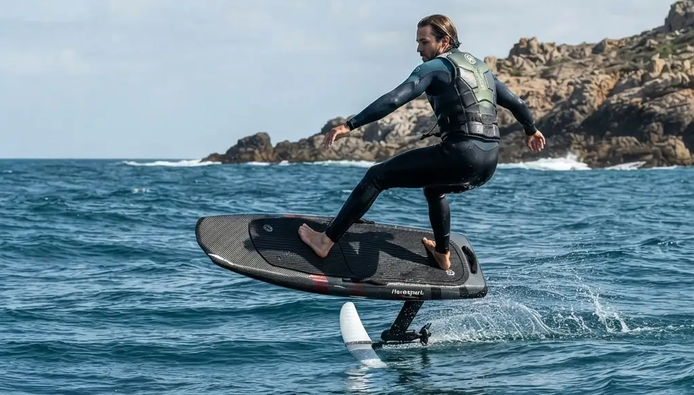
Choosing a safe electric surfboard for beginners requires careful attention to stability, propulsion, battery design, and rider control. An electric hydrofoil surfboard combines powered movement with a lifting foil beneath the board. Therefore, buyers should evaluate its specifications alongside rider experience, suitable water conditions, and safety equipment. For distributors and water sports brands, a well-designed carbon fiber electric surfboard can also support premium product positioning and long-term customer value.
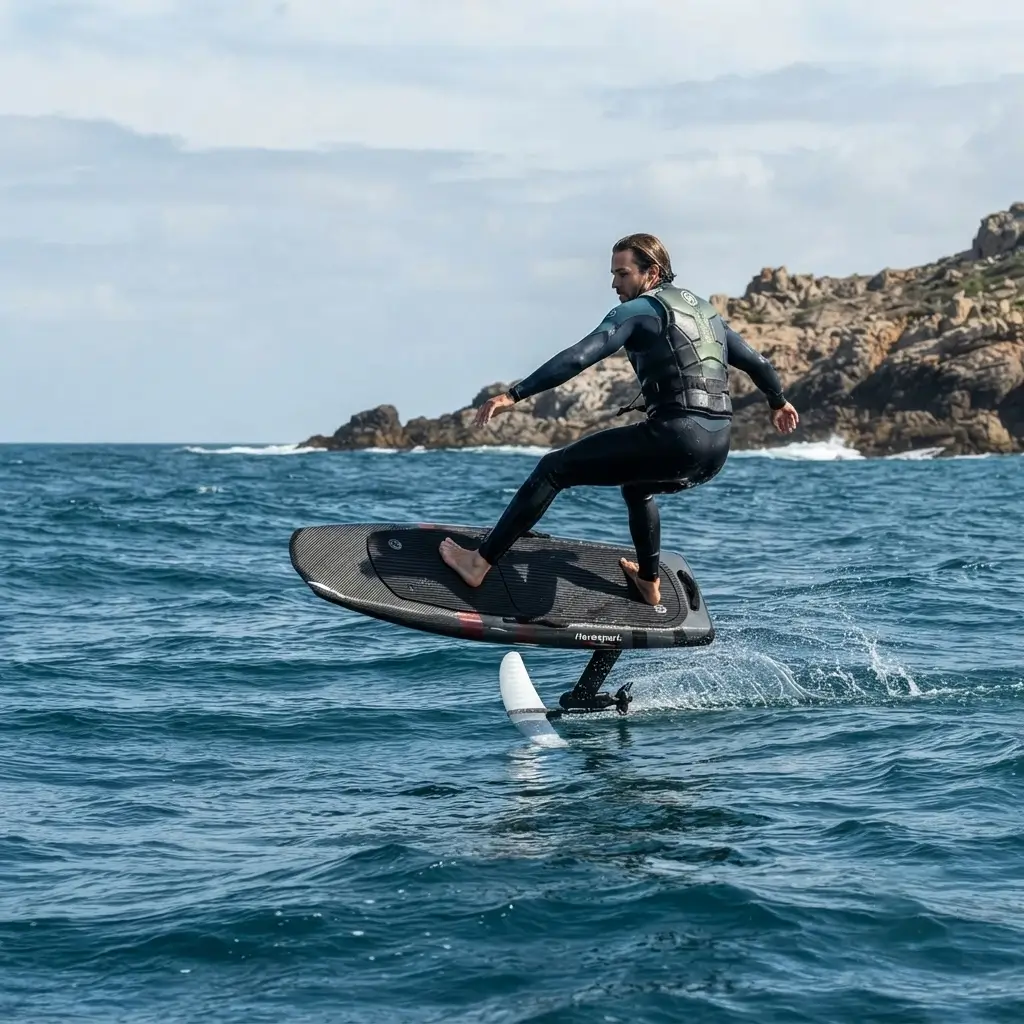
The H5-P Carbon Fiber Electric Hydrofoil Surfboard features a 105-liter volume, a 1,740-millimeter length, and a 695-millimeter width. These dimensions provide a useful starting point when evaluating board stability and handling. However, beginners still need instruction and gradual practice before attempting hydrofoil flight.
How Does Board Size Support Beginner Stability?
Evaluate buoyancy, width, and riding position
Board dimensions influence how riders balance during water starts, acceleration, and turns. A larger volume can provide useful buoyancy, while additional width can support balance during early practice. Nevertheless, actual stability also depends on weight distribution, water conditions, and riding technique.
The H5-P offers 105 liters of volume and a width of 695 millimeters. Its length measures 1,740 millimeters. Together, these dimensions provide a practical foundation for evaluating beginner-oriented handling.
Moreover, buyers should check the manufacturer’s recommended rider weight range before purchasing. The supplied specifications do not establish a confirmed weight limit. Therefore, wholesalers should request this information when preparing product listings or advising customers.
For further product comparisons, explore our Electric Hydrofoil Surfboard Product Range.
Which Propulsion Features Help Riders Maintain Control?
Match power delivery with rider experience
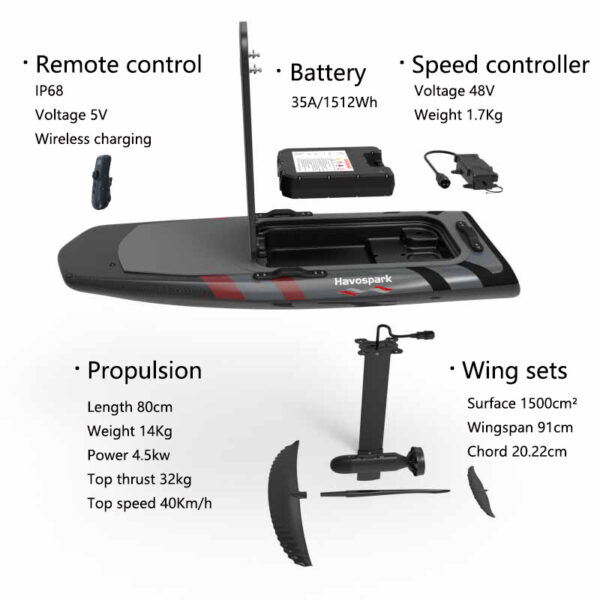
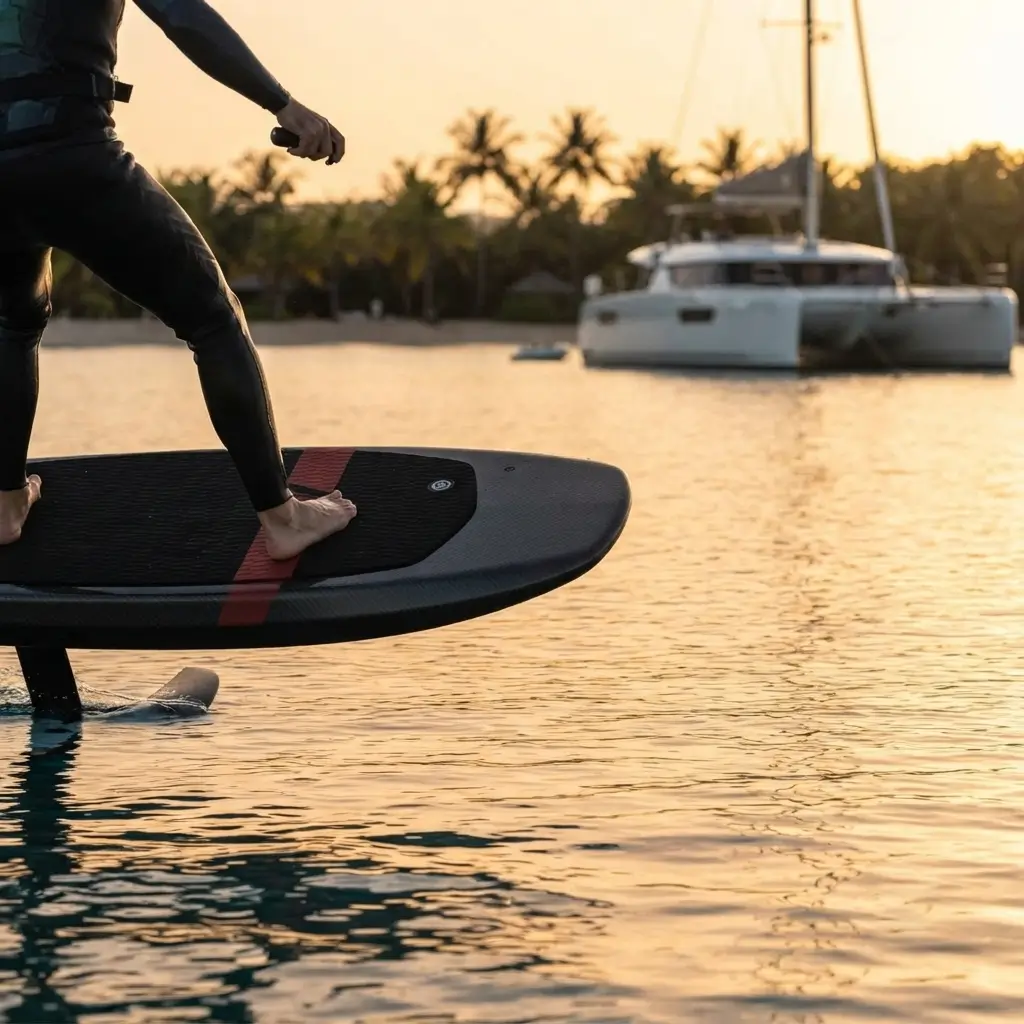
An electric hydrofoil’s propulsion system affects acceleration, lift, and maneuverability. The H5-P uses a propeller-based system rated at 4.5 kilowatts. Its stated maximum thrust reaches 32 kilograms, while its top speed reaches 40 kilometers per hour.
These figures describe the system’s performance potential rather than recommended beginner settings. In practice, new riders benefit from gradual acceleration and controlled riding environments. Consequently, buyers should confirm whether the board supports adjustable power modes and speed limits.
The supplied product details do not confirm specific electronic speed controls. B2B purchasers should verify these features before marketing the board specifically for beginners. They should also request details about emergency power cutoff and remote-control safeguards.
Furthermore, a suitable training area should provide adequate clearance from swimmers, boats, and shoreline obstacles. Riders should follow local watercraft rules and manufacturer instructions throughout every session.
How Do Materials and Foil Design Affect Riding Confidence?
Assess structural quality and foil configuration
Carbon fiber offers a useful balance of low weight and structural stiffness. The H5-P uses carbon fiber construction and weighs 14 kilograms, excluding its separately listed battery. This design can help manufacturers balance portability with performance-oriented construction.
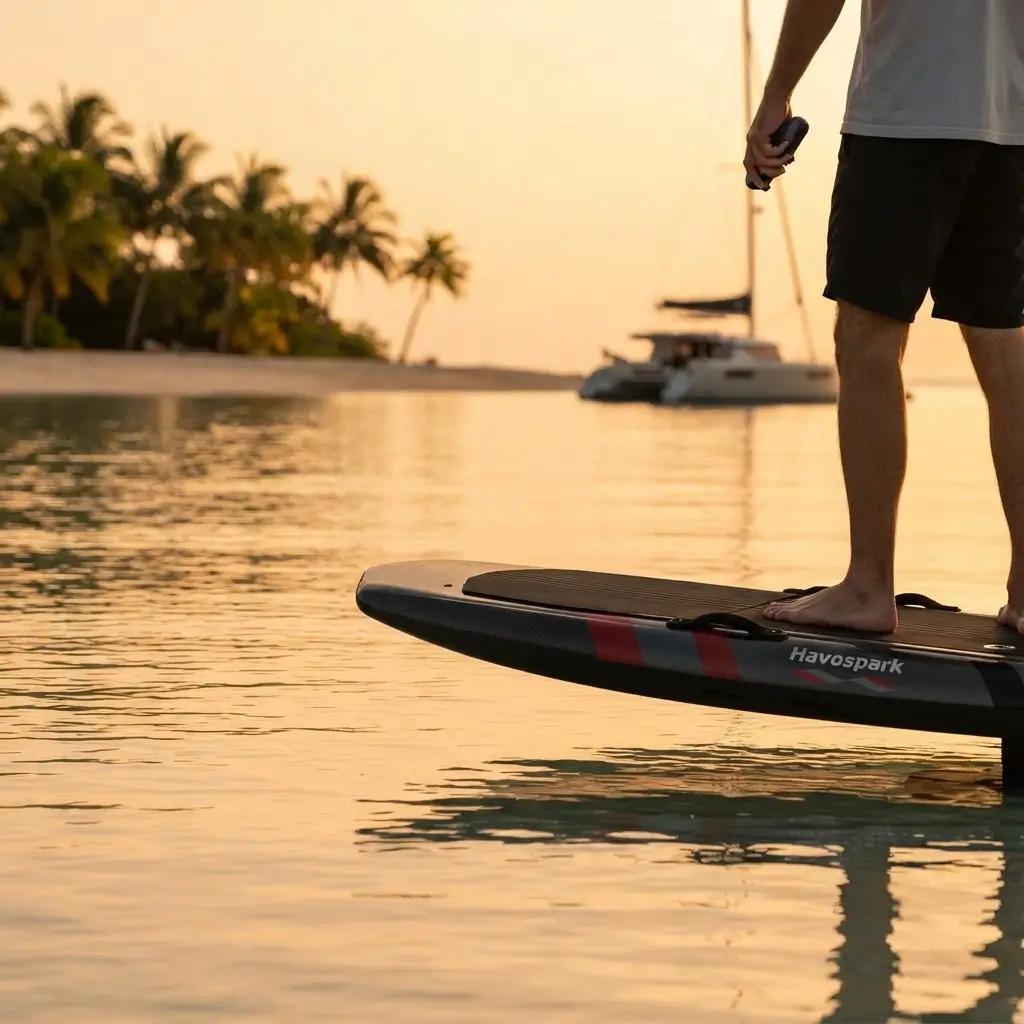
The board also features an 800-millimeter mast. Its foil configuration provides clearance between the board and water during flight. However, hydrofoil height introduces additional handling considerations, especially during takeoff, turning, and landing.
Therefore, beginners should practice basic balance and water starts before attempting sustained foil flight. A qualified instructor can help riders develop appropriate control techniques. Buyers should also confirm foil protection, component attachment methods, and maintenance guidance.
For additional purchasing considerations, consult our Electric Surfboard Technical Guide.
What Battery Specifications Should Buyers Review?
Check capacity, charging, and operating procedures
Battery capacity affects available energy, while actual runtime depends on rider weight, speed, water conditions, and riding style. The H5-P lists a battery capacity of 1,512 watt-hours and a battery weight of 12.4 kilograms.
The product information also lists a battery dimension of 39 × 34 × 89 centimeters. Buyers should confirm this measurement with the supplier before using it for packaging or logistics. The provided information does not specify charging time, runtime, battery chemistry, or ingress protection.
Additionally, request documentation covering battery management, overcurrent protection, charging procedures, and transport requirements. Verify applicable battery shipping documents and electrical safety certifications for the destination market. These checks help distributors build dependable purchasing and after-sales processes.
Which Specifications Matter Most for Wholesale Buyers?
Compare documented specifications before placing orders
B2B buyers should evaluate the complete package rather than relying on maximum speed alone. In addition, they should review build quality, spare-part availability, warranty terms, and supplier support. Clear documentation can help retailers communicate product capabilities accurately.
| Specification | H5-P details | Buyer consideration |
|---|---|---|
| Construction | Carbon fiber | Assess finish and structural quality |
| Board volume | 105 liters | Review buoyancy and rider guidance |
| Length and width | 1,740 and 695 millimeters | Evaluate handling and transport |
| Mast length | 800 millimeters | Review foil setup and learning requirements |
| Motor power | 4.5 kilowatts | Confirm control modes and intended use |
| Maximum thrust | 32 kilograms | Request testing conditions |
| Maximum speed | 40 kilometers per hour | Treat as a performance rating, not a beginner target |
| Battery capacity | 1,512 watt-hours | Confirm runtime and charging details |
| Board weight | 14 kilograms | Confirm whether accessories are excluded |
| Battery weight | 12.4 kilograms | Include in handling and shipping plans |
| Certifications | Not specified | Request applicable test reports and certificates |
The listed specifications provide a useful starting point for supplier evaluation. However, buyers should verify certification status, waterproofing ratings, rider limits, and emergency controls before making safety-related claims.
For wholesale orders, ask about sample availability, customization options, replacement parts, packaging, and lead times. These details help retailers estimate landed costs and plan inventory more effectively.
Conclusion: Choose a Board That Supports Responsible Progress
A safe electric surfboard for beginners should combine suitable buoyancy, predictable power delivery, sound construction, and clear operating guidance. The H5-P brings together a carbon fiber structure, 105-liter volume, and a 4.5-kilowatt propulsion system.
Even so, these specifications alone cannot establish beginner safety. Buyers should confirm protective features, rider limits, training recommendations, and relevant certifications with the supplier.
For distributors and water sports brands, evaluating these details supports better purchasing decisions and stronger customer confidence. Request a wholesale quotation, technical documentation, and sample information before finalizing your order.
About author

Related posts
The Havospark jet boat appeals to water sports businesses seeking compact electric watercraft with practical performance and durable construction. For rental operators, resorts, and recreational...
For buyers researching mini jet boats havospark, the CA-5 offers a gasoline-powered personal watercraft. It combines a Suzuki four-stroke engine, two-person seating, and integrated safety...
For buyers evaluating wave power surfboards, the HS-JF04 combines lightweight construction with stable recreational handling. This electric surfboard targets leisure riders who want responsive speed...
Choosing the right mini electric jet boat means balancing performance, handling, and riding enjoyment. The Havospark HS-V1 combines a 16-kilowatt electric motor with a 6.2-kilowatt-hour...
A jet-powered electric surfboard enables powered riding without relying on wind. Therefore, it suits riders seeking a motorized surfboard for recreational water sports. The HS-H5SE...
Add comment