
No products in the cart.
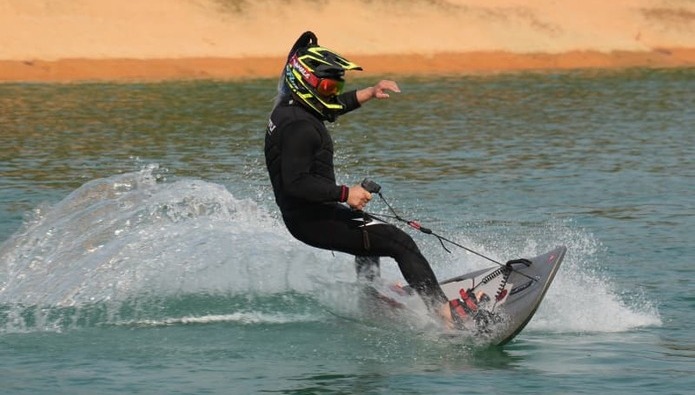
Is the HS-JF04 a Practical Choice for High-Speed Recreational Surfing?
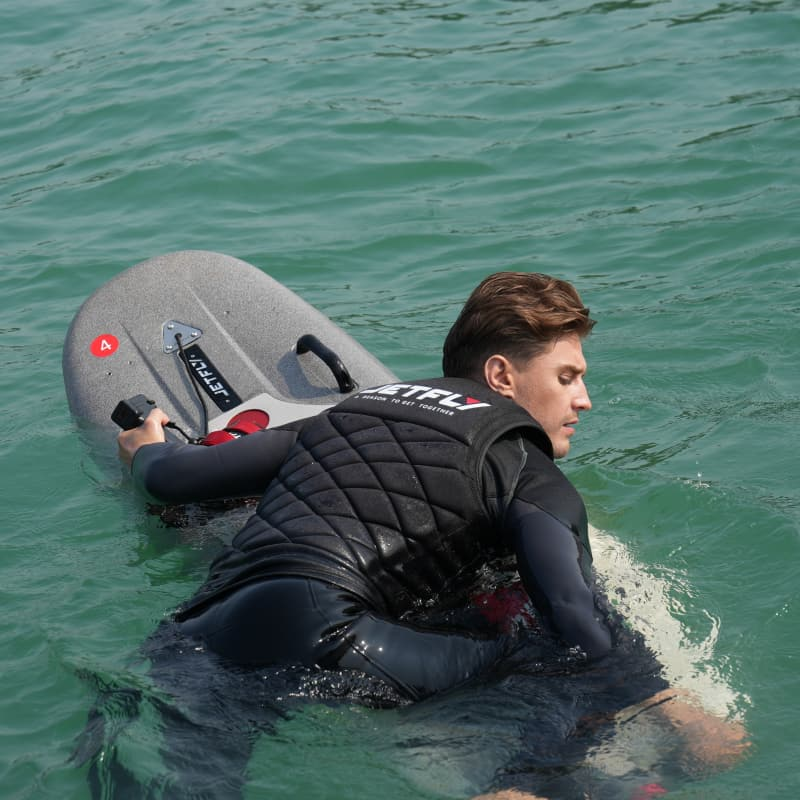
For buyers evaluating wave power surfboards, the HS-JF04 combines lightweight construction with stable recreational handling. This electric surfboard targets leisure riders who want responsive speed without a complex riding setup. It reaches a stated top speed of approximately 50 kilometres per hour. For distributors, rental operators, and water-sports brands, material durability and battery service life also matter. Therefore, the HS-JF04 deserves consideration where speed, buoyancy, and controllability need to work together.
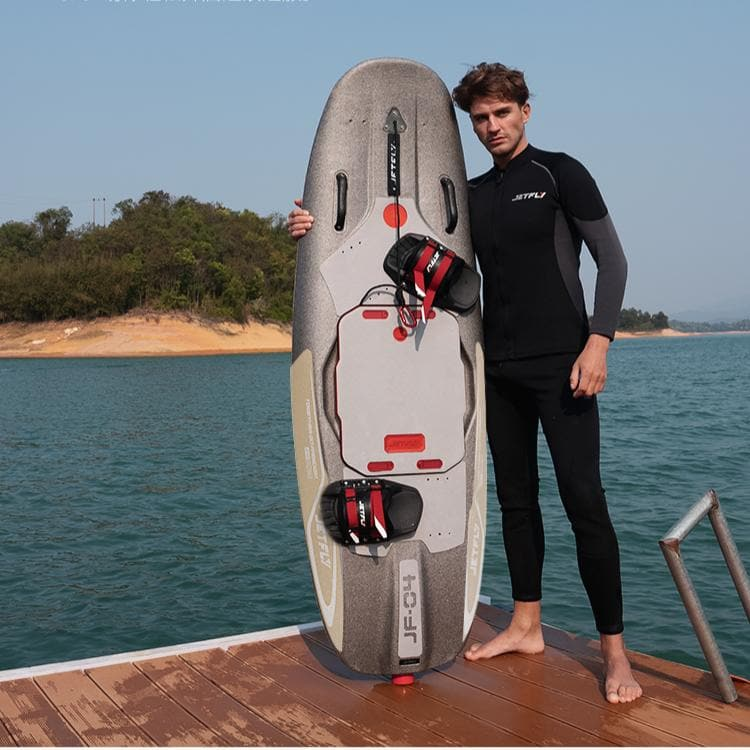
Can High-Speed Wave Power Surfboards Remain Manageable?
Speed attracts experienced recreational riders, yet speed alone does not define a practical board. The HS-JF04 uses a 10 kilowatt motor system and reaches up to 50 kilometres per hour. Meanwhile, its stable control design supports smooth, responsive handling during normal riding. This combination gives sellers a clearer product story than speed figures alone. However, dealers should describe top speed as a performance capability, not a guarantee for every rider or water condition.
For beginner-oriented rental businesses, staff can match riders with suitable instruction and local safety practices. In addition, operators should assess water conditions, rider experience, and permitted riding areas before each session. This approach helps position the HS-JF04 for recreational use without overstating its control capabilities. For B2B sellers, wave power surfboards need a clear balance between performance, control, and rider suitability.
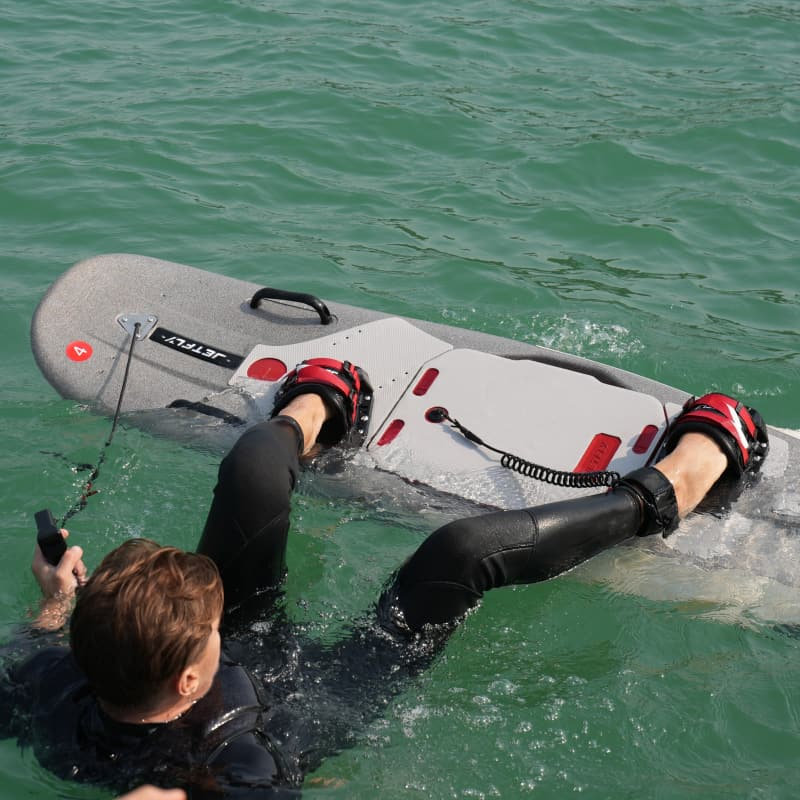
Can EPP Construction Support Frequent Recreational Use?
Board durability affects customer satisfaction and long-term ownership costs. The HS-JF04 uses V0-grade EPP material, which supports impact resistance and buoyancy. As a result, this material choice suits recreational environments where handling and occasional contact can challenge equipment. Its lightweight construction can also make transport and preparation more convenient for staff. However, actual wear still depends on handling, storage, water conditions, and routine care.
When evaluating wave power surfboards for repeated use, buyers should consider more than the initial purchase price. For wholesale buyers, material quality contributes to the overall value proposition. A durable board can help businesses manage repeat bookings and product demonstrations. Nevertheless, buyers should review sample quality, finish consistency, repair guidance, and packaging before placing bulk orders.
Explore the wave power surfboards product category to compare suitable models for your customer segment.
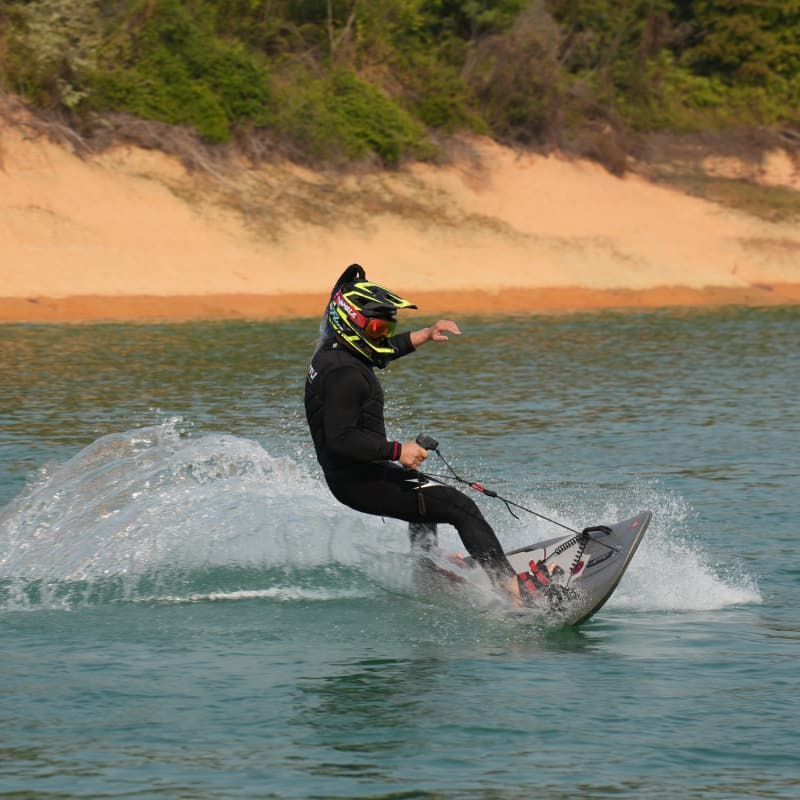
Does Battery Cycle Life Support Business Value?
Battery replacement can influence fleet costs over time. The HS-JF04 uses a 50.4 volt battery with a 62 ampere-hour capacity. Its stated battery cycle life reaches up to 1,200 charge cycles. Therefore, this figure gives buyers a useful reference for service and replacement planning. However, cycle life does not specify ride time per charge. Runtime depends on rider weight, speed, water conditions, and operating practices.
For businesses supplying wave power surfboards, battery-cycle information supports product planning. Rental fleets also benefit from documented charging and storage procedures. In addition, operators can schedule battery checks around booking frequency and seasonal demand. These steps help protect equipment value across repeated use.
For product selection and maintenance planning, read the electric surfboard technical guide.
Can One Model Suit a Broad Recreational Customer Base?
The HS-JF04 supports riders weighing up to 100 kilograms. Therefore, sellers can communicate a clear rider-weight limit during product consultations. This specification may suit many recreational users. However, operators should still match riders to their skills and local conditions. Moreover, the stable design gives businesses a useful feature to explain during demonstrations. It should not replace proper training or safe riding procedures.
For B2B buyers, value also depends on product consistency and supplier coordination. The stated motor, battery, material, speed, and load figures give sales teams concrete selling points. Meanwhile, the board’s value proposition combines construction quality with practical recreational performance. Before committing to volume, request current production details, warranty terms, spare-parts support, and applicable compliance documents.
HS-JF04 Specifications for Wholesale Evaluation
| Item | Stated Specification | B2B Relevance |
|---|---|---|
| Motor system | 10 kilowatts | Supports high-speed recreational positioning |
| Top speed | Up to 50 kilometres per hour | Helps define the performance segment |
| Battery | 50.4 volts, 62 ampere-hours | Supports charging and service planning |
| Battery cycle life | Up to 1,200 charge cycles | Helps estimate battery management needs |
| Board material | V0-grade EPP | Supports durability and buoyancy messaging |
| Maximum rider load | 100 kilograms | Defines a clear customer-fit boundary |
| Certifications and reports | Not specified in the supplied details | Request relevant test documents before making compliance claims |
Q&A: Is the HS-JF04 a Practical Choice?
Q: Is the HS-JF04 suitable for high-speed recreational surfing?
Yes. It offers a stated top speed of approximately 50 kilometres per hour. However, suitability still depends on rider skill, water conditions, and local rules.
Q: Does it offer a sensible value proposition for wholesale buyers?
Its 10 kilowatt motor, V0-grade EPP construction, and stated battery life provide useful selling points. In addition, its defined 100 kilogram rider limit helps businesses qualify customer needs. Buyers should compare landed costs, service support, and warranty coverage before judging overall value.
Q: What should importers confirm before ordering?
Request sample assessments, battery-care instructions, warranty details, and applicable compliance documents. Also, confirm packaging requirements and after-sales arrangements before placing bulk orders. These checks help distributors evaluate product quality, operational suitability, and long-term ownership costs.

About author

Related posts
For buyers researching mini jet boats havospark, the CA-5 offers a gasoline-powered personal watercraft. It combines a Suzuki four-stroke engine, two-person seating, and integrated safety...
Choosing the right mini electric jet boat means balancing performance, handling, and riding enjoyment. The Havospark HS-V1 combines a 16-kilowatt electric motor with a 6.2-kilowatt-hour...
A jet-powered electric surfboard enables powered riding without relying on wind. Therefore, it suits riders seeking a motorized surfboard for recreational water sports. The HS-H5SE...
Deploying a precise electric propulsion motor transforms small watercraft navigation while delivering clean marine propulsion performance. Indeed, modern recreational boating demands efficient energy conversion to...

Choosing an electric hydrofoil surfboard requires balancing speed, endurance, and safety. Therefore, riders often face complex choices when evaluating key technical specifications. Selecting the correct...
Add comment